Accelerated Medical Assistant Programs in San Angelo: What to Know Before You Enroll
Not everyone has a year or two to spend in a classroom before starting a new career. Accelerated medical assistant programs exist for exactly that reason — they compress the essential training into a shorter timeline so you can get into the workforce faster without skipping the skills that matter.
But “accelerated” doesn’t automatically mean “good.” Some programs cut corners to hit a shorter deadline. Others are genuinely well-designed to be efficient. Here’s how to tell the difference — and what to look for when choosing an accelerated program in San Angelo.
What makes a medical assistant program “accelerated”?
An accelerated program covers the same core skills as a traditional program but in a condensed timeline. Instead of spreading coursework over 12–18 months, accelerated programs typically run for a matter of months by:
- Focusing on essential clinical and administrative skills — no filler courses or unnecessary electives
- Increasing weekly contact hours — more instruction per week means faster completion
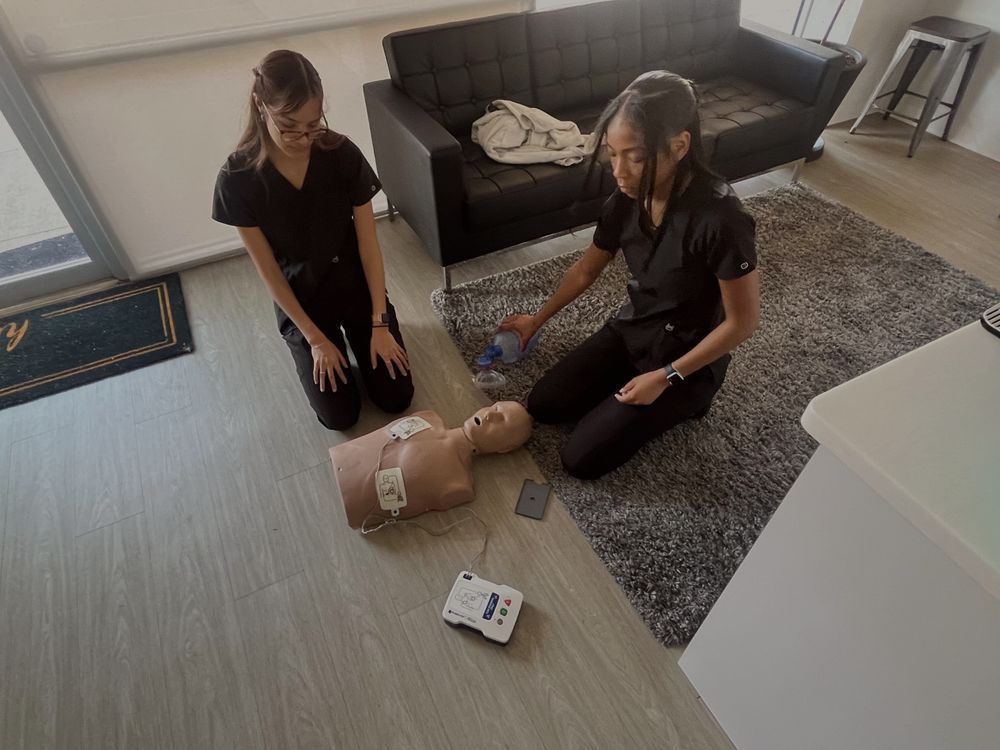
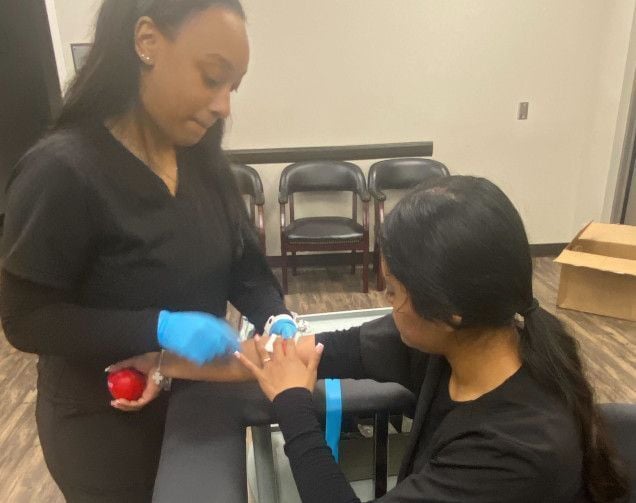
- Integrating hands-on practice throughout — rather than saving it for the end
- Streamlining the curriculum — every module builds directly toward job readiness
The result: you graduate sooner, but with the same foundational skills employers need.
What to look for in an accelerated program
Speed alone isn’t enough. Here’s what separates a strong accelerated program from a weak one:
1. Hands-on clinical training
Medical assisting is a physical job — vitals, phlebotomy, injections, EKGs, sterilization. If an accelerated program skips hands-on practice to save time, you’ll graduate without the confidence to perform on day one.
2. Structured curriculum with clear outcomes
Ask: “What will I be able to do by the end of this program?” If the answer is vague, keep looking. A strong program should list specific competencies, not just topics.
See what our program covers: Program details.
3. Certification preparation
The best accelerated medical assistant programs prepare you for a recognized certification exam (like the CCMA). Certification isn’t always required, but it gives you a measurable advantage when applying for jobs.
4. Transparent tuition
Accelerated doesn’t mean expensive. Make sure you know the full cost before you commit — and look for flexible payment options.
Review tuition here: Tuition.
5. Career support after graduation
Finishing fast only matters if you can find a job quickly too. Look for programs that offer career readiness resources, resume help, and job search guidance.
Who accelerated programs are best for
Accelerated programs tend to be a great fit for:
- Career changers who want to move into healthcare without spending years in school
- Working adults who need a faster path that still fits around a job or family
- Motivated learners who thrive in intensive, focused environments
- People re-entering the workforce who want to build new skills quickly
What to watch out for
Not every fast program is a good one. Red flags include:
- No hands-on component — if everything is online modules and quizzes, it’s not preparing you for clinical work
- No certification prep — without a path to CCMA or another recognized credential, your training may not carry weight with employers
- Hidden fees — some programs advertise low tuition but add charges for materials, exams, or uniforms later
- No career support — if the program ends with a certificate and nothing else, you’re on your own for the job search
Get started at San Angelo Medical Assistant School
- See the full program: Program details
- Review tuition and payment options: Tuition
- Talk to our team: Contact
- Apply: How to apply
You're only a few months from the medical assistant career you deserve.